When it comes to building or re-roofing your home, the spotlight often goes to shingles, tiles, or metal panels. However, there’s a vital component working behind the scenes that you can’t afford to overlook: roof underlayment. This seemingly modest layer plays an outsized role in protecting your home from moisture, wind-driven rain, and even ice dams. In this guide, we’ll dive into what roof underlayment is, explore its benefits, and share expert tips from the team at Quick Roofing to help you choose and maintain the right underlayment for your roof.
What Is Roof Underlayment?
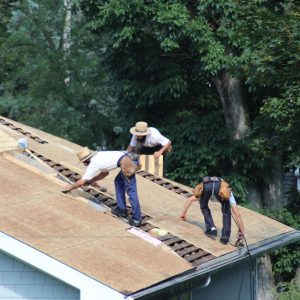
Roof underlayment is a water-resistant or waterproof barrier installed directly onto your roof deck, beneath the primary roofing material (shingles, tiles, etc.). It acts as a secondary shield against moisture infiltration and provides a smooth surface for shingle installation. Underlayment comes in rolls like heavy-duty felt or synthetic sheets, and is secured over the decking before the final roofing material goes on.
Types of Roof Underlayment
There are two main categories of roof underlayment, each with its own set of characteristics:
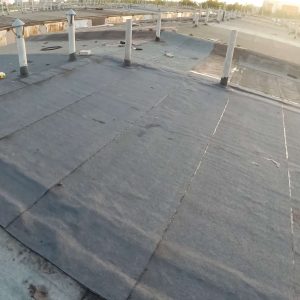
1. Asphalt-Saturated Felt (Felt Paper)
- Composition: Organic or fiberglass mat saturated with asphalt.
- Thickness Options: Commonly 15- and 30-lb. varieties.
- Pros: Affordable; time-tested wind resistance.
- Cons: Heavier; can wrinkle or tear; shorter lifespan.
2. Synthetic Underlayment
- Composition: Polypropylene or polyethylene woven or nonwoven layers.
- Pros: Lightweight; high tear resistance; UV-stable (can be exposed longer during installation); superior water-shedding.
- Cons: Higher upfront cost.
Regardless of the type, quality underlayment creates a uniform barrier that supports your shingles and helps prevent leaks.
Key Benefits of Quality Roof Underlayment
- Enhanced Waterproofing: In the event that shingles crack or blow off, underlayment helps prevent water intrusion into your home’s interior.
- Improved Wind Resistance: A secure underlayment layer keeps wind-driven rain from reaching the deck and causing rot.
- Protection During Installation: If your roofing project is delayed by weather, synthetic underlayment can be exposed without degrading, giving your team more flexibility.
- Added Fire Resistance: Some underlayment products carry fire-retardant properties, contributing to improved overall roof fire ratings.
- Ice Dam Prevention: In colder climates, underlayment laid at the eaves provides an extra barrier against ice dams pushing moisture under shingles.
How to Choose the Right Roof Underlayment
Selecting the ideal roof underlayment depends on several factors:
- Climate Zone: In regions with heavy rainfall or snow, a synthetic underlayment with high water-shedding capability is often preferred.
- Roof Slope: Steep slopes may allow some felt underlayment types, but low-slope roofs benefit from superior waterproofing of synthetics.
- Budget Considerations: Felt underlayment is budget-friendly, but synthetic products can reduce labor costs and potential re-roofing expenses over time.
- Manufacturer Recommendations: Many shingle warranties require specific classes of underlayment for full coverage. Always check your shingle manufacturer’s guidelines.
- Local Building Codes: Some municipalities mandate certain underlayment types or installation practices.
Installation Best Practices
Proper installation is critical to maximize the performance of your roof underlayment. Here’s what our Quick Roofing professionals recommend:
- Deck Preparation: Ensure the roof deck is clean, dry, and structurally sound before the underlayment goes down.
- Starter Strips: Install a starter strip along the eaves to prevent wind uplift at the bottom edge.
- Overlap Correctly: Overlap horizontal courses by at least 2–4 inches and vertical laps by 6–12 inches, per manufacturer instructions.
- Secure Fastening: Use the appropriate fasteners (e.g., cap nails or staples) placed at the recommended spacing to prevent blow-offs.
- Ventilation Considerations: Maintain proper attic ventilation; underlayment alone cannot compensate for inadequate airflow, which can lead to moisture and heat buildup.
Maintenance and Inspection
While underlayment is hidden from view, it still demands attention:
- Regular Roof Inspections: Have the expert roofers inspect both your shingles and the integrity of underlying membranes every 1–2 years.
- Prompt Repairs: Address damaged or missing shingles immediately to avoid exposing the underlayment to long-term UV or weather damage.
- Attic Checks: Periodically inspect your attic for signs of moisture or daylight, which could indicate underlayment issues.
When to Replace Your Roof Underlayment
Underlayment typically lasts as long as the shingles themselves, but if you’re experiencing recurrent leaks, noticing deck rot, or performing a full re-roof, it’s wise to replace the underlayment. Synthetic options installed today often outlive older felt products, offering peace of mind for decades.
Why Quick Roofing Is Your Trusted Partner
At Quick Roofing, we combine decades of industry experience with top-quality materials to ensure every layer of your roof (from decking to underlayment to shingles) works in harmony. Our certified installers follow rigorous best practices, and our customer-focused process ensures transparent communication on timelines, costs, and product options.
Ready to fortify your roof from the ground up? Contact Quick Roofing today for a free consultation and discover the premium underlayment solutions that will keep your home safe, dry, and energy-efficient!