One of the most common and important questions homeowners ask is how long does a roof last. The answer is not always straightforward, because roof lifespan depends on several factors, including the type of roofing material, the quality of installation, local climate conditions, and how well the roof has been maintained over the years.
Understanding how long a roof typically lasts allows homeowners to plan ahead, budget responsibly, and avoid unexpected damage that can occur when a roof reaches the end of its usable life. In this guide, we will explain average roof lifespans by material, what affects roof longevity, and how to recognize when a roof may be nearing replacement.
Average Roof Lifespan and How Long does a Roof Last by Material
The type of roofing material used on a home plays the biggest role in determining how long a roof will last. Each material has a different expected lifespan, along with its own strengths and limitations.
Asphalt Shingle Roofs
Estimated lifespan: 20 to 30 years
Asphalt shingles are the most widely used roofing material in the United States due to their affordability and reliable performance. Traditional three-tab shingles generally last around 20 years, while architectural or dimensional shingles can last closer to 25 or even 30 years when installed correctly.
Extreme heat, poor ventilation, and storm exposure can shorten the lifespan of asphalt shingles, which is why regular inspections are especially important for this roof type.
Metal Roofs
Estimated lifespan: 40 to 70 years
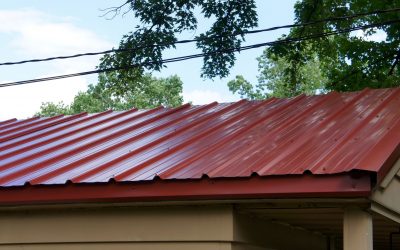
Metal roofing systems are known for their durability and long-term performance. Standing seam metal roofs typically last longer than exposed fastener systems, particularly when properly maintained.
Although metal roofs often come with a higher upfront cost, many homeowners choose them because of their longevity, resistance to weather damage, and lower maintenance requirements over time.
Flat Roof Systems
Estimated lifespan: 20 to 35 years
Flat roofs are commonly found on commercial buildings and some residential properties. Their lifespan depends heavily on the specific material used.
EPDM rubber roofs often last between 25 and 30 years, while TPO and PVC systems typically last between 20 and 30 years. Drainage, installation quality, and routine inspections are critical factors in extending the life of flat roofs.
Tile Roofs
Estimated lifespan: 50 years or more
Clay and concrete tile roofs are among the longest-lasting roofing options available. While the tiles themselves can last several decades, the underlayment beneath them usually needs replacement sooner.
Proper structural support and ongoing maintenance are essential to ensure the roof performs as expected over its long lifespan.
Wood Shake and Shingle Roofs
Estimated lifespan: 25 to 40 years
Wood roofing offers a distinctive appearance but requires more maintenance than many other materials. In dry climates with consistent upkeep, wood roofs can last several decades. However, moisture, mold, insects, and lack of maintenance can significantly shorten their lifespan.
Key Factors That Influence How Long Does a Roof Last
Even the best roofing material will not reach its full lifespan if certain conditions are not met. Several factors directly influence how long a roof lasts.
- Quality of Installation
Improper installation is one of the most common reasons roofs fail earlier than expected. Issues such as poor flashing installation, incorrect fastening, or rushed workmanship can reduce a roof’s lifespan by many years.
- Climate and Weather Conditions
Roofs in areas that experience frequent storms, hail, high winds, or extreme temperature changes are exposed to more stress. Over time, this exposure accelerates wear and tear and shortens overall roof life.
- Ventilation and Insulation
A poorly ventilated attic traps heat and moisture, which can damage shingles, decking, and structural components. Proper ventilation helps regulate temperature and moisture levels, allowing roofing materials to age more slowly and perform better over time.
- Maintenance and Repairs
Routine maintenance and timely repairs play a major role in roof longevity. Small problems such as cracked flashing or loose shingles can quickly become major issues if left unaddressed.
Signs Your Roof May Be Near the End of Its Lifespan
If you are unsure how much life your roof has left, there are several warning signs that should not be ignored.
- Shingles that are curling, cracking, or missing
- Granules collecting in gutters or downspouts
- Water stains on ceilings or walls
- Sagging roof lines or soft spots
- Daylight visible through attic boards
- Increasing energy bills caused by heat loss
- A roof age that exceeds the expected lifespan of the material
Even if your roof looks acceptable from the ground, age alone can be a reason to schedule a professional inspection.
Can a Roof Last Longer Than Expected?
In some cases, a roof can last longer than its estimated lifespan, especially when it was installed correctly and maintained consistently. Proper ventilation, prompt repairs, and routine inspections all contribute to extended roof performance.
However, pushing a roof too far beyond its expected lifespan increases the risk of sudden leaks, structural damage, and costly interior repairs. Planning ahead is always safer than reacting to failure.
Roof Repair Versus Roof Replacement
Homeowners often wonder whether repairs are enough or if full replacement is the better option.
Roof repairs may be appropriate when damage is localized, the roof is relatively young, and the underlying structure remains sound. Roof replacement is usually recommended when the roof is near the end of its lifespan, repairs are becoming frequent, or widespread damage is present.
A professional inspection provides the clarity needed to make the right decision.
Schedule a Roof Inspection for Peace of Mind
If you are unsure about your roof’s condition or how much life it has left, a professional inspection is the best next step.
Quick Roofing provides thorough roof inspections, honest assessments, and clear recommendations so homeowners can make confident decisions about their roof.
Schedule your free roof inspection today and find out exactly where your roof stands.